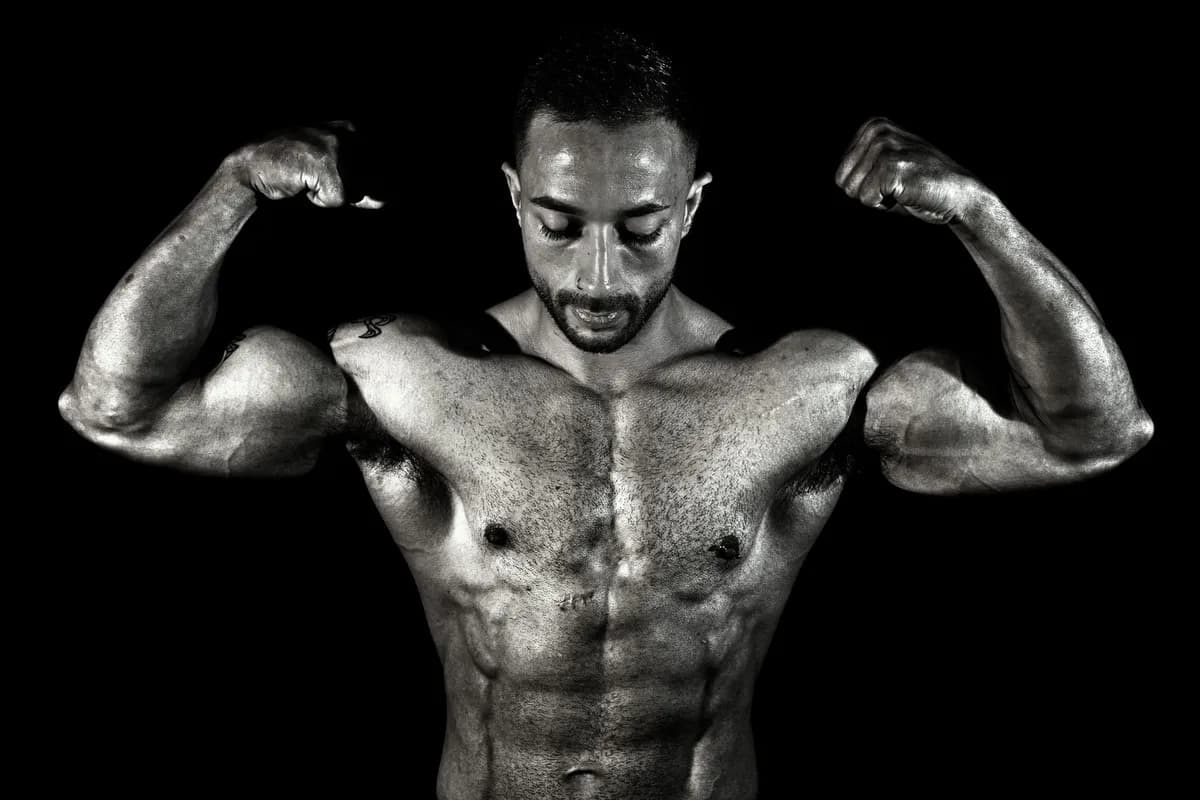
The history of bodybuilding is, surprisingly, a history of queerness. From the YMCA's "Muscular Christianity" movement to the carefully posed photos of Victorian-era strongmen, the cultivation and display of the male form has always carried undeniable homoerotic undertones—and that's no accident.
The Religious Origins of Muscular Men
It all started with the YMCA and a concept called "Muscular Christianity." When the Young Men's Christian Association was founded, its mission was to help men build stronger bodies in service of God. By the late 1880s, the Y's first physical education director, Robert J. Roberts, actually coined the term "bodybuilding" itself as part of his effort to encourage men to join and bulk up. The irony—that a Christian institution inadvertently created the infrastructure for queer male desire—is delicious.
But the YMCA wasn't alone in celebrating male muscularity. Physical educators across Europe, including George Hébert in the French Navy, were similarly invested in building impressive male bodies. The historical record shows these pursuits were, at minimum, visually suggestive in ways that modern audiences immediately recognize as queer.
Documenting Forgotten Hunks
One Instagram account, Barbell Films, is now mining this treasure trove of visual history. The UK-based account shares photographs and stories of bodybuilders from the Victorian, Edwardian, and mid-20th century eras, many of them figures whose legacies have been largely forgotten. They've highlighted lesser-known champions like Melvin Wells, a two-time Mr. America runner-up, and documented the story of Eugen Sandow, an early international bodybuilding star who appeared in Thomas Edison's earliest short films. Before Arnold Schwarzenegger, before modern celebrity fitness culture, there was Sandow—a circus strongman turned Broadway sensation whose flexing chest literally broke chains on stage.
A Queer Gaze on Muscle History
What makes Barbell Films' work compelling is how it invites us to see these vintage photographs and videos through a contemporary queer lens. The poses, the proximity of bodies, the emphasis on display—it all reads unmistakably queer to a modern eye. The account doesn't shy away from this reading; instead, it celebrates these images as evidence of a long, underground history of queer desire expressed through the body. In doing so, it reclaims a part of LGBTQ+ history that's been hiding in plain sight for over a century.
Source: Queerty
Cover photo: Kari Alfonso / Pexels