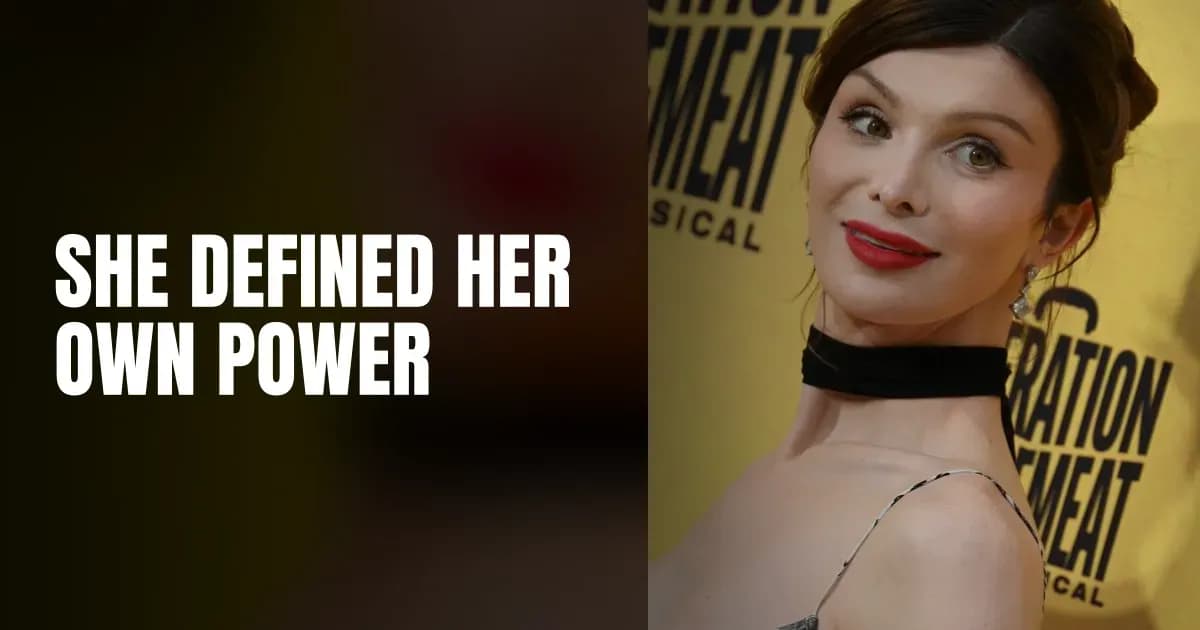
When former President Donald Trump took aim at Dylan Mulvaney during remarks at a White House press dinner, the trans content creator didn't retreat or dignify the attack with prolonged engagement. Instead, she offered a response that cut straight to the heart of why such moments ultimately reveal more about her strength than his words ever could.
What Trump Said and Why It Mattered
The former president's comments came during a gathering that traditionally brings together media figures and politicians. While the exact nature of his remarks hasn't been the focus of extensive reporting, what became clear was that Trump was attempting to use a high-profile platform to diminish Mulvaney-a strategy that has become familiar to anyone watching how trans people are treated in the current political moment. The remarks were designed to land as insults, another round in the broader effort to make being openly trans seem shameful or laughable.
Mulvaney, who rose to prominence through her TikTok videos documenting her transition journey and later through collaboration with major brands, has built a platform on vulnerability and authenticity. She's used that visibility to help countless people understand what transition means, humanizing an experience that many trans people kept private out of fear.
A Response Built on Power, Not Anger
Rather than unleash a scathing takedown or engage in a back-and-forth, Mulvaney's statement carried a different kind of force. "To the president: thank you for reminding me that I am more powerful than I even knew," she said. The line does something subtle but important: it reframes his attempt at humiliation as accidentally serving her. Instead of accepting his framing-that she should feel small-she insisted on her own definition of power.
"Thank you for reminding me that I am more powerful than I even knew."
Dylan Mulvaney
This kind of response is disarming precisely because it refuses to play the game of offense and defense on his terms. Mulvaney didn't get angry at Trump. She didn't demand apologies or launch into a detailed rebuttal. She simply stated a fact about herself and moved on. That's a form of power that's difficult for someone seeking a confrontation to weaponize further.
Why This Moment Matters
Mulvaney's grace under pressure stands in stark contrast to the relentless drumbeat of trans-focused attacks we've seen from political figures across the country in recent years. When politicians and public figures make trans people the subject of ridicule, they're banking on shame being contagious-that trans people will internalize the mockery and retreat further into invisibility.
But Mulvaney's response suggested something different: that she's moved past the point where his words can damage her sense of self. Whether or not that's entirely true in private moments, the public statement served an important function for trans people watching. It showed that you don't have to be destroyed by someone with a bigger platform, that you can acknowledge their attempt to hurt you and still define yourself on your own terms.
In an era when trans visibility is weaponized with increasing intensity, Mulvaney's measured response offered a quiet reminder that resilience isn't about fighting fire with fire. Sometimes it's about simply refusing to burn.
Source: LGBTQ Nation
Cover photo: PhilipRomanoPhoto, CC BY 4.0, via Wikimedia Commons