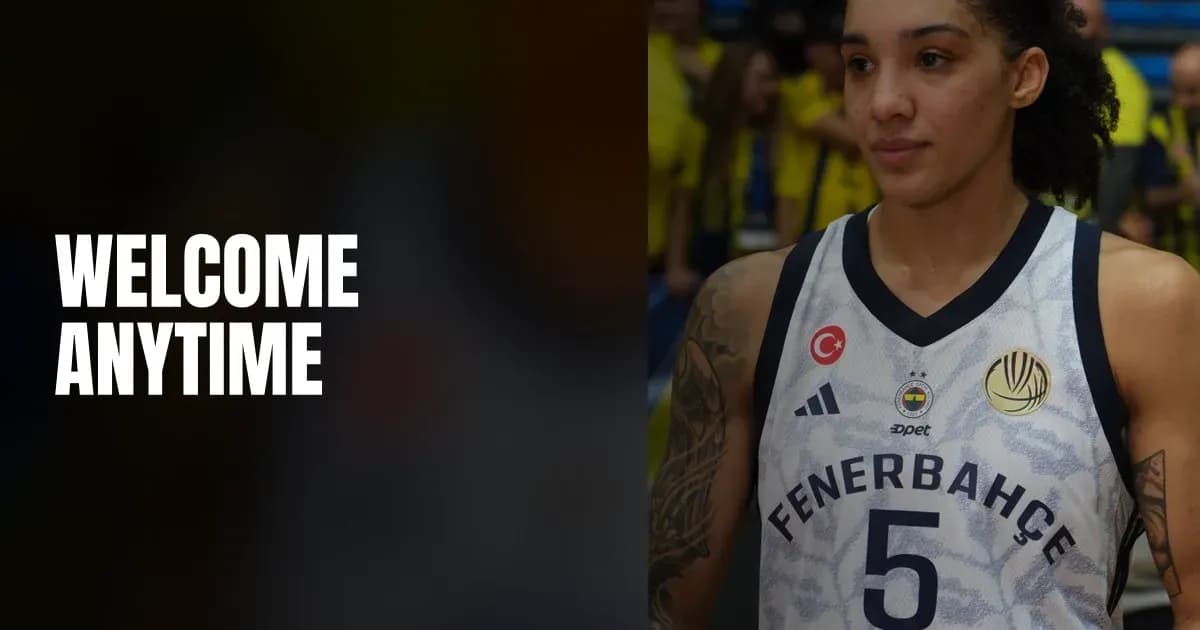
Golden State Valkyries forward Gabby Williams told reporters this week that she'd welcome a transgender athlete onto her team or an opposing one without hesitation, offering a rare note of calm in a WNBA season that's grown increasingly tense over questions of trans inclusion.
A Rare Voice for Inclusion
Speaking to the women's sports outlet Local W in an interview later shared widely on social media, Williams called trans rights "our new battle" in professional sports. "We see trans people's rights being stripped away from them; there's a lot of discourse around trans athletes and what they can compete in," she said, pointing to Layshia Clarendon as a pioneer who "stepped into that forefront" when they became the league's first openly nonbinary and trans player.
I would welcome a trans athlete on my team or against my team, anytime. I don't think it's a problem in the world.
Gabby Williams
Clarendon came out publicly in 2015 and, in 2021, became the first WNBA player to undergo top surgery while still competing, with backing from teammates and the players' union. They retired in 2024, meaning the league currently has no openly trans players on any roster.
The Cunningham Controversy
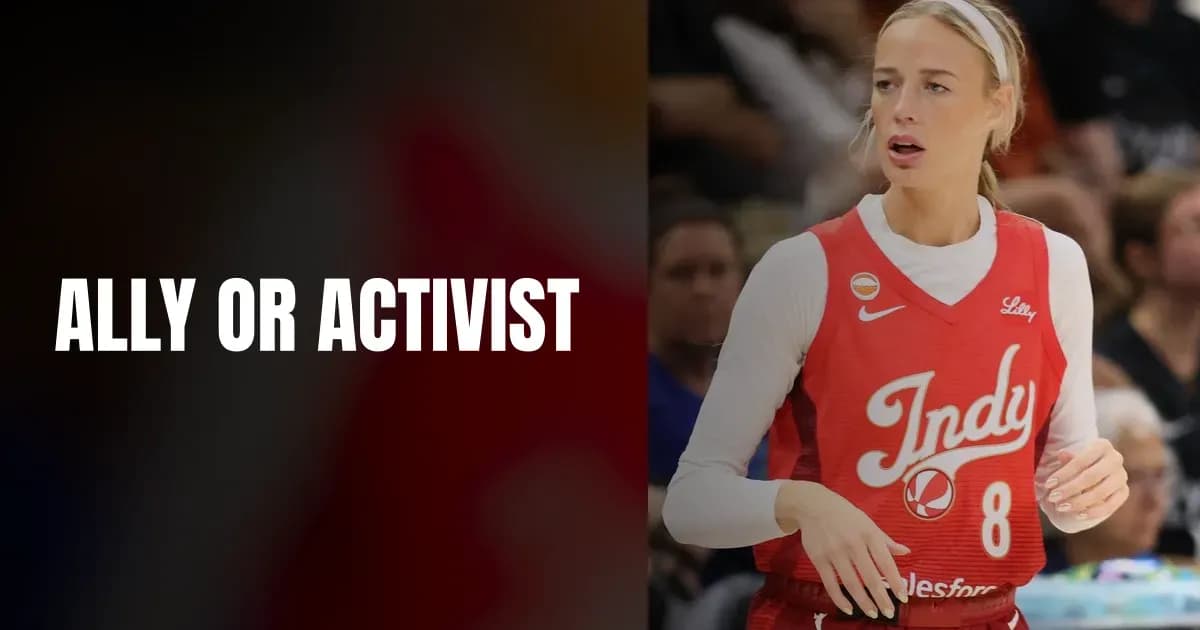
Williams' remarks arrive against the backdrop of Sophie Cunningham's monthslong campaign against trans women in women's sports, first aired during an ESPN profile. "I want to protect young girls in a locker room, or young girls in sport who shouldn't have to go against biological men," the Fever guard said earlier this year. That stance has drawn organized, sometimes well-funded support at Fever games, including a protest outside Seattle's Climate Pledge Arena ahead of a July 28 matchup, where two teenagers held signs thanking Cunningham from courtside seats reportedly costing $1,300 each.
The saga has also drawn in figures like activist Riley Gaines, photographed with Cunningham at a recent game against the Minnesota Lynx, where Lynx coach Cheryl Reeve wore a "Trans Kids Belong" T-shirt that some read as a direct rebuke. Reeve and Cunningham exchanged words at midcourt before tipoff; neither has detailed what was said.
We left with love and respect and I think that's what it's all about.
Sophie Cunningham
A League Without a Policy
Part of what's fueling the fight is a genuine vacuum: the WNBA's collective bargaining agreement, signed in March, states that "only players who are women are eligible to play" but never defines what that means in terms of biological sex, hormones, or transition status. Commissioner Cathy Engelbert responded to the Cunningham controversy by forming a task force of team presidents and general managers, the league's first formal effort to work through eligibility questions. The WNBPA, for its part, issued a statement saying it "will not be used as political pawns" and hopes to protect women's sports "without hate, abuse, and demonization of any person or group."
MQ's Take
What stands out about Williams' comments isn't just their content but their tone. Amid a debate that's produced protests, T-shirt standoffs, and cable-news talking points, she framed inclusion as simply unremarkable, the way it should be. The louder Cunningham-Gaines contingent gets the headlines, but plenty of players clearly disagree with the premise that trans athletes are a threat worth organizing rallies over. The real story here is that the league itself still hasn't decided where it stands, and a task force convened only after a controversy erupted is a reactive, not proactive, way to handle policy that affects real people's careers.