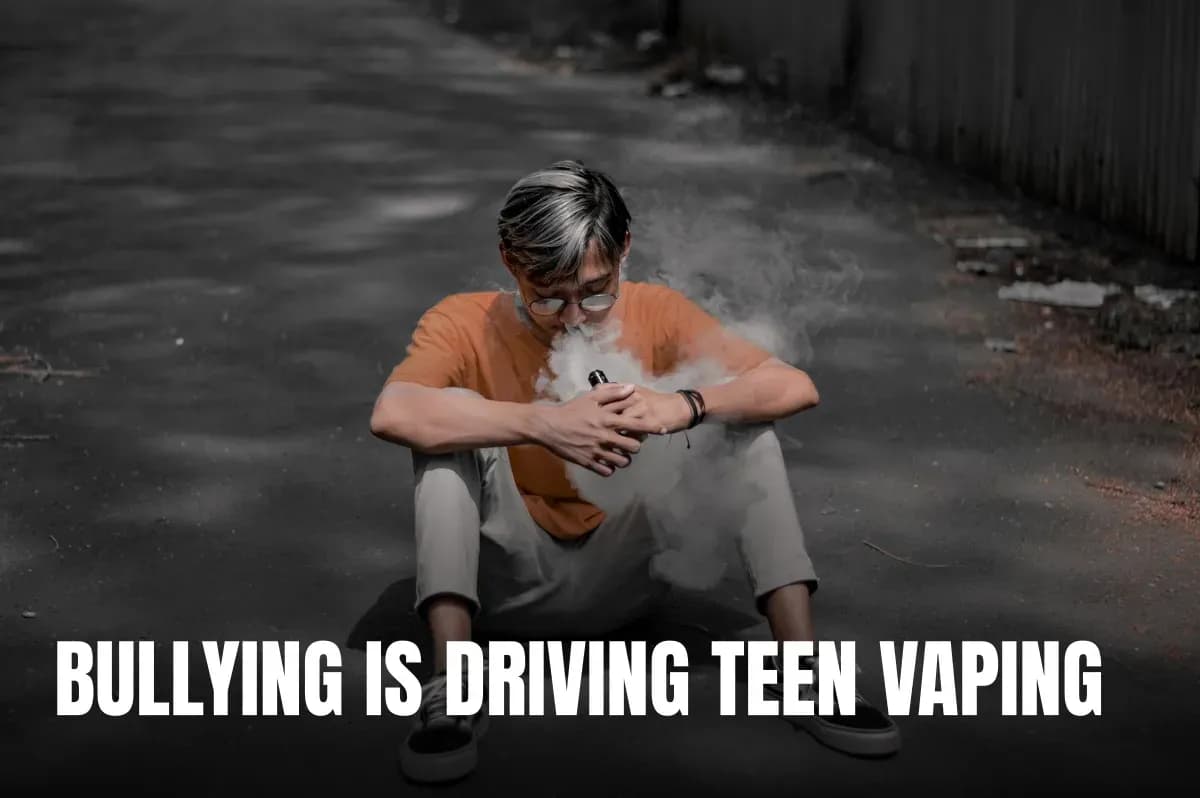
A new review finds that LGBTQ+ youth are more likely to vape as a way of coping with bullying and family rejection, adding fresh evidence to a health disparity researchers have tracked for years.
What the Study Found
The review, from public health researchers at George Mason University and Lehigh University, argues that chronic social rejection, not identity itself, drives the disparity. LGBTQ+ youth are frequently minorities within their own families, and when relatives fail to affirm who they are, home becomes another source of stress rather than a refuge.
A Pattern Rooted in Minority Stress
The authors lean on minority stress theory, which holds that discrimination, bullying, and identity concealment accumulate into a distinct psychological burden layered on top of ordinary life stress. That burden has consequences well beyond vaping: sexual and gender minority youth are reportedly far more likely than their heterosexual peers to use illicit drugs and to experience depression and suicidality.
A Familiar Industry Playbook
This isn't a new phenomenon. Tobacco companies have targeted lesbian, gay, and bisexual communities for decades, and e-cigarette use among LGBTQ+ youth reportedly climbed faster than among their straight peers between 2020 and 2021, a gap researchers warn could widen without intervention.
By identifying unique risk and protective factors for vaping among LGBTQ+ youth, and the mechanisms by which they increase risk, the findings will help the successful adaptation of evidence-based preventive interventions to reduce vaping in this vulnerable group.
Kenneth Griffin
MQ's Take
None of this is really about vaping. It's about what happens to a kid who gets hit at school and comes home to more of the same. The nicotine is just the symptom that shows up on a lung scan years later. What the researchers are proposing, affirming households, honest school programs, and Pride organizers pushing back on e-cigarette marketing at the very events meant to celebrate queer life, treats the actual cause instead of the coping mechanism. That's the harder, slower work, and it's the only kind that sticks.
Sources: them., The Advocate
Cover photo: oka bemby / Pexels