A small lesbian bar in Greenfield, Massachusetts has become the unlikely center of a bitter online fight after loosening its mask policy for one night a week, a change its owner says was meant to keep the struggling venue's lights on.
A Quiet Policy Tweak, a Loud Backlash
Last Ditch has long described itself as a gathering place for "dykes, transsexuals, gender freaks, workers, and their friends," and it built its reputation in part on strict COVID precautions: KN-95 masks required at the door, plus medical-grade HEPA air filtration inside. For a certain slice of the queer and disabled community, that made it more than a bar. It was a promise that people who still can't safely gather elsewhere would have somewhere to go.
That promise cracked on August 31, when the venue announced Saturday nights would become mask-optional. "It is with love we inform our immunocompromised disabled divas we will be opening Saturday nights as mask optional," the post read. Commenters accused the bar of participating in what one called "a mass disabling event" and said the change put vulnerable patrons at risk to chase revenue. A follow-up apology, criticized for lacking accessible alt text, only intensified the anger.
The Owner's Breaking Point
The bar's origin story complicates the picture. Last Ditch opened in 2025 as a project of three housemates, one of whom later left to attend clown school, according to reporting from The Boston Globe. That left Matellian alone holding a $50,000 loan and, by her own account, living in a car for six months while working four jobs to keep the space open.
At a September 11 community meeting, held partly over Zoom, Matellian grew emotional describing that pressure. Critics, including performer and organizer Soe Noire, instead focused on whether the meeting's mediator was centering "a majority white and white adjacent staff," and Noire later described Matellian's tears on social media as insincere. No resolution came out of the meeting.
It was not my passion project. I never really wanted this. I don't think I'm doing a very good job.
Jackie Matellian
The bar's finances remain precarious: its landlord has reportedly demanded nearly $3,900 in back rent. Attendance on the second mask-optional Saturday was reportedly sparse, hardly the business boost the change was meant to spark.
Why It Matters
It's easy to laugh at the online circus this story became, and plenty of people did. But underneath the memes is a genuine and unresolved tension inside disability justice and queer communities. The federal COVID-19 public health emergency ended back in 2023, and most bars, states, and cities dropped mask rules years earlier. For many immunocompromised and disabled people, though, the risk never went away, and spaces like Last Ditch were rare proof that a queer venue could take that seriously. Watching one of the few that did start to walk it back, even partially and even under real financial duress, felt like a betrayal to some of its most loyal patrons.
At the same time, lesbian bars have been vanishing across the country for decades, and the ones that survive often run on thin margins and volunteer labor. Last Ditch's founders reportedly once considered buying Northampton's shuttered Majestic Saloon to keep another queer venue alive; instead they're struggling to keep their own doors open. There isn't a clean villain here, just a small business owner and a community both trying to protect something they can't afford to lose, and disagreeing sharply on how.
What to Watch
Matellian has said she wants to move Last Ditch toward a co-operative ownership model, spreading both the financial risk and the decision-making beyond one person. She doesn't expect the masking argument to fade quickly.
There's conflict, but we just hope that there's more repair than conflict. That's the price you pay to be in community.
Jackie Matellian
Whether that co-op plan materializes, and whether the bar survives its back rent and its online reputation, will say a lot about how queer spaces navigate a post-emergency world where the pandemic isn't officially a crisis anymore but still very much is for some of the people these bars were built to protect.
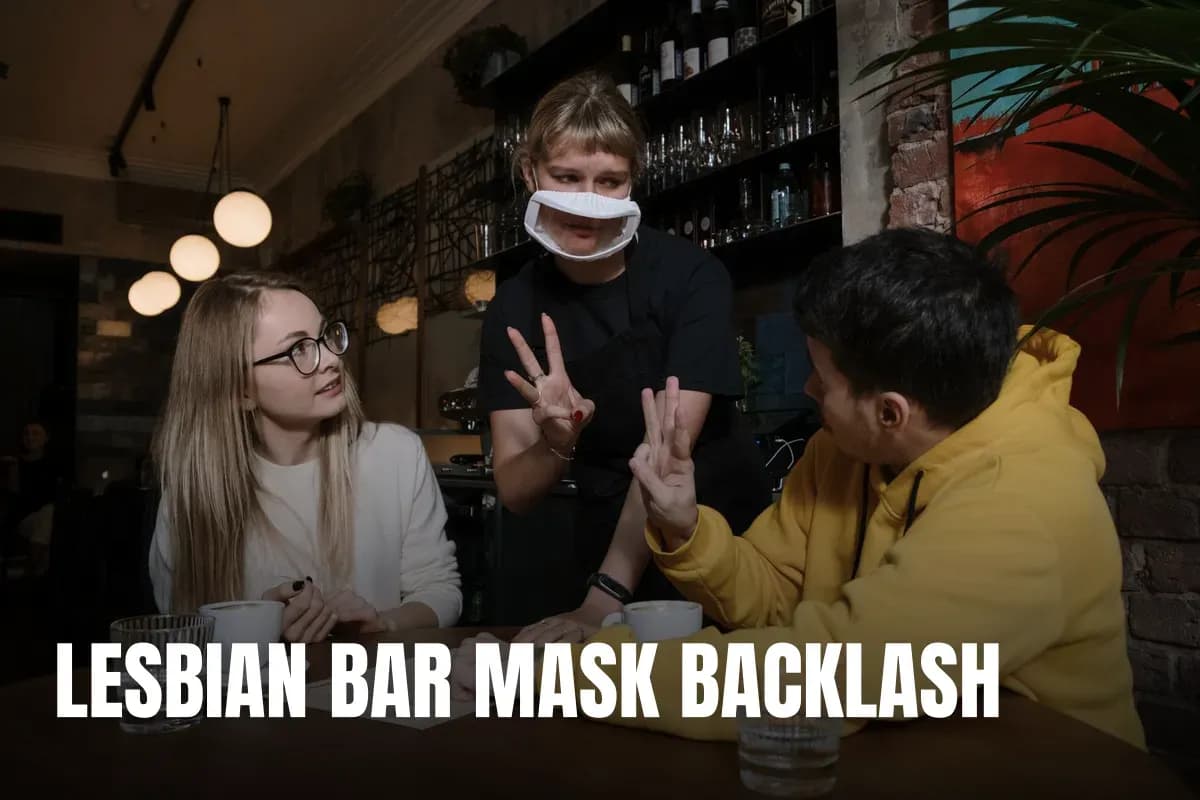
Cover photo: cottonbro studio / Pexels