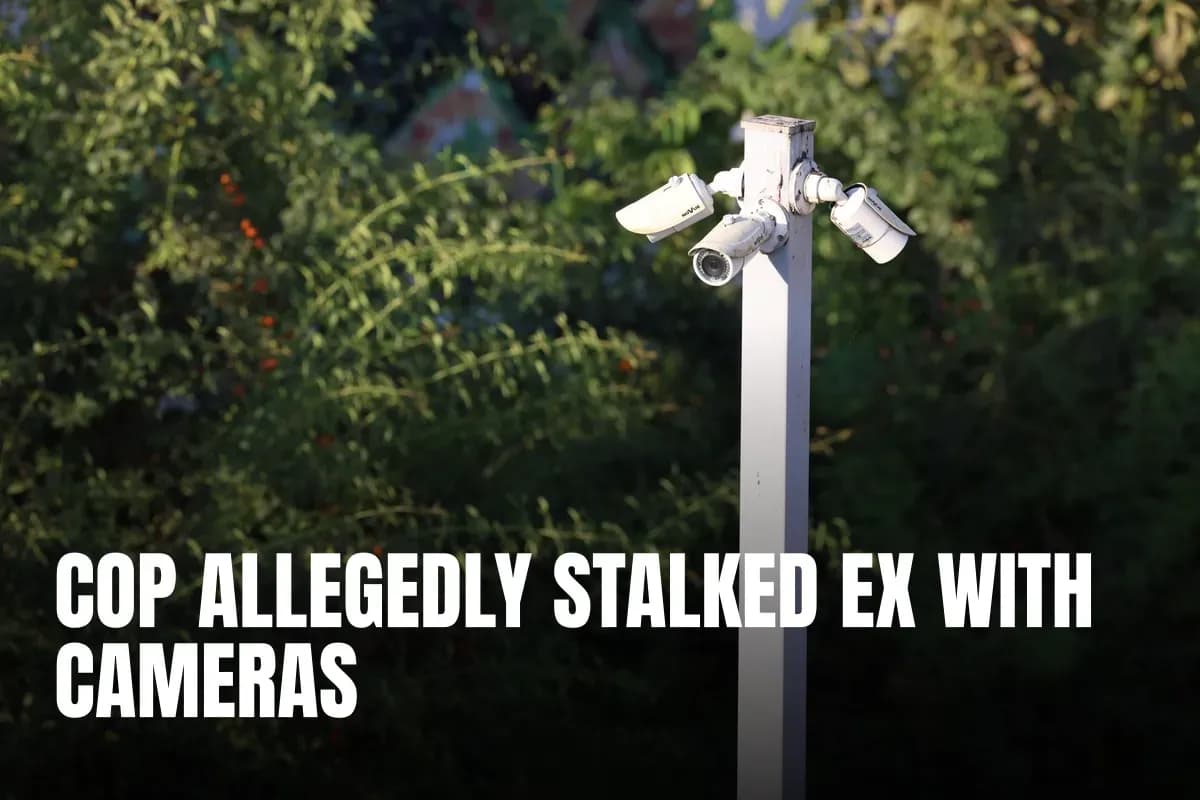
A New Bedford, Massachusetts, police officer is under internal investigation after her ex-girlfriend accused her of using the department's Flock Safety license plate cameras to track her movements for months after their breakup.
What the Affidavit Alleges
According to a signed affidavit reported by the New Bedford Light, the unnamed ex-girlfriend said she began receiving "endless calls" from Pacheco after the two ended a two-year relationship in April, including from spoofed numbers. She said Pacheco showed up unannounced at her home and, on one occasion while on duty, got out of her cruiser and blocked her from leaving.
Showing up to my home unannounced and refuse[d] to leave when asked.
The affidavit ties that harassment directly to the Flock searches. Pacheco has reportedly been among New Bedford's heaviest users of the system this year, most often logging "traffic infraction" as her justification, according to the Light. A judge disagreed with that framing enough to issue a protective order and strip her of her weapons and carry license.
A Familiar Pattern Nationwide
Pacheco's case is far from isolated. Officers around the country have repeatedly been caught using Flock's automated plate readers against people they knew personally: one officer allegedly ran searches on his girlfriend and her family more than 100 times over seven months before his 2025 arrest, a Haines City, Florida officer searched his estranged wife's car more than 700 times between late 2024 and mid-2026, and a police chief resigned after tracking his ex-girlfriend and her new boyfriend over 200 times, a tally close to Pacheco's. Just last month, five Albany, Georgia officers were arrested and fired for misusing Flock, and two Greer, South Carolina officers were fired for the same reason.
Part of the problem, researchers say, is how little scrutiny search justifications get. "Investigation" and other vague labels are the most commonly logged reasons nationwide, effectively letting officers self-certify access with no real check. The technology's reach has also extended well beyond personal grudges, with reported use tracking protesters and monitoring people seeking reproductive healthcare.
More Context
New Bedford required officers to sign an agreement that "impermissible use" of Flock could mean criminal prosecution, civil liability, or immediate termination of access. That kind of paper policy is common, but enforcement clearly isn't automatic. At least 39 municipalities have canceled Flock contracts so far this year amid community pushback, and a 2024 case elsewhere saw a judge deny a woman's protective order request even after her ex-boyfriend admitted to using Flock to track her, a sign courts aren't always equipped to grasp tech-enabled stalking.
Flock markets its cameras as solving crime faster, claiming they help close up to 10% of reported cases nationwide, though independent verification is thin. One 2024 investigation found serious crime held flat or rose in a California city despite the company's claim of an 80% burglary drop. For queer people especially, who already navigate outsized rates of intimate partner violence and justified wariness of police, a surveillance tool this easy to weaponize against an ex deserves real oversight, not just a signature on a memo.
Allegations of police misuse of surveillance technology and databases for personal reasons highlight the need for robust, effective democratic oversight, transparency, and accountability mechanisms in law, policy, and police operations procedures.
Gideon Epstein, ACLU of Massachusetts
Sources: them., The Advocate
Cover photo: Xayriddin Baxromxo'jayev / Pexels