A Moment That Resonated
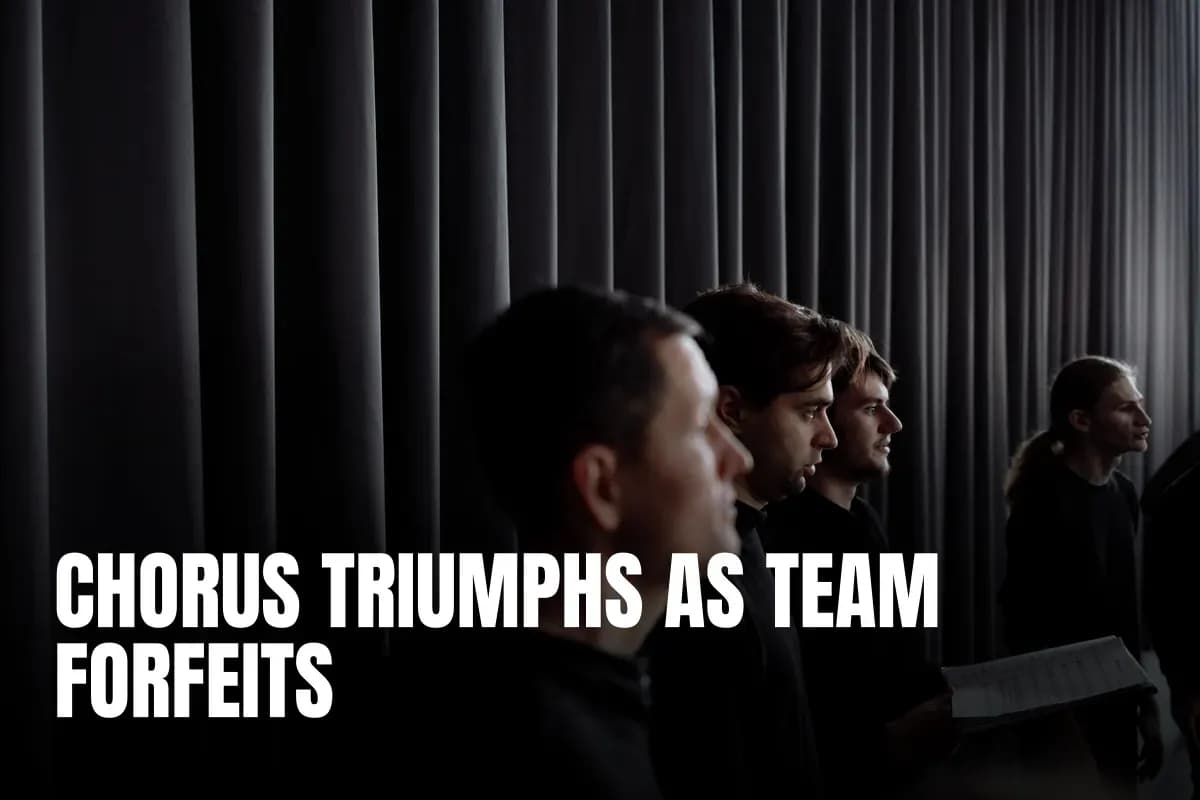
The Phillies' game against the New York Mets (which the Mets won 6-4) became the backdrop for something larger than baseball. Commenters on social media spoke to the power of seeing generations represented in one space. "Seeing the older men in the choir makes me so emotional," one viewer wrote. "They've seen so much and have been through so much and probably lost so many friends and they're here singing." The performance also prompted reflection on a broader cultural conversation. "It's so hilarious seeing people assuming being LGBTQ means being anti-American," one commenter noted, touching on an ongoing debate about progressives and the LGBTQ community reclaiming the American flag as their own. Someone who attended the game reported that a fellow spectator called it "the best" national anthem they'd heard all year.They've seen so much and have been through so much and probably lost so many friends and they're here singing. Instagram commenterNot all reactions were positive. When the Phillies posted about Pride Night online, the club faced backlash from critics. In response, the Philadelphia Gay Men's Chorus encouraged supporters to flood social media with messages of solidarity to drown out the negativity. The group's next event is a fundraiser called "Disco Inferno" scheduled for June 26 at the Trestle Inn in Philadelphia.
The Cost of Refusing to Celebrate
While Philadelphia's moment of joy played out, the York Revolution, a Pennsylvania-based team in the Atlantic League of Professional Baseball, made a starkly different choice. The team was set to host its 11th Annual Pride Night on June 18 against the Southern Maryland Blue Crabs, but multiple players refused to wear the scheduled rainbow jerseys. Rather than push the players to participate, team management cancelled the game entirely. "This decision was not reached lightly," the York Revolution stated in a released statement. "Unfortunately, several of our players have refused to wear the scheduled Pride Night jersey and the club decided that hosting the event is more important than forcing players to wear jerseys they are not comfortable with and playing the game."This action by the players is completely inconsistent with our vision as the Most Welcoming Place in York. York Revolution statementFans who had purchased tickets were offered exchanges for other games. The team went forward with a free admission Pride Night event, but the absence of baseball on what should have been a celebratory night underscored a tension that remains in professional sports: the distance between organizational commitment to inclusion and player willingness to be publicly aligned with it. To signal their commitment to the community, the York Revolution announced a $10,000 donation to the Rainbow Rose Center, a local organization supporting LGBTQIA+ initiatives in York. "To be clear," the statement read, "this action by the players is completely inconsistent with our vision as the Most Welcoming Place in York." The donation was framed as "a small token of our regret for the last-minute change of plans and support for our LGBTQIA+ representing partners."
Why It Matters
The two Pennsylvania stories sit in uncomfortable proximity. One shows what happens when an organization and its community come together in celebration, complete with the grace of historical consciousness and the vulnerability of generations in shared space. The other reveals the limits of organizational support when individual athletes withhold participation, and the complex calculation teams make between unity and coercion. The Philadelphia Gay Men's Chorus moment is likely to linger precisely because it felt uncomplicated by those tensions. It was a performance of belonging, witnessed and amplified. The York game's cancellation, by contrast, is a reminder that visibility in sports remains contested terrain, and that sometimes the most important Pride Night is the one that happens without the game.Source: Queerty
Cover photo: Thirdman / Pexels