Part of a Coordinated Campaign
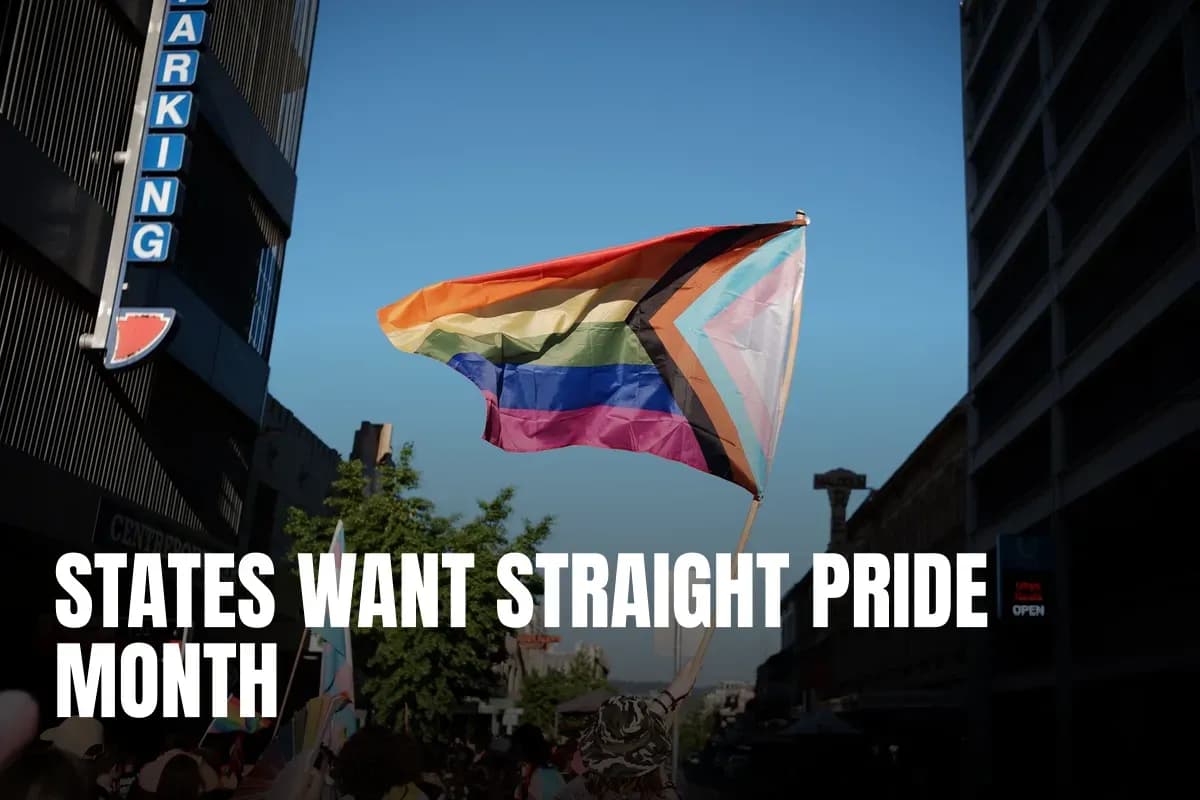
The governors and elected officials behind these counterprogramming efforts are the same ones driving a sweeping attack on LGBTQ+ rights. Over the past year alone, they have advanced more than 1,000 anti-transgender bills while simultaneously challenging marriage equality. They have also spearheaded DEI rollbacks across government, schools, and private industry, alongside campaigns to ban books and LGBTQ+ curricular materials. This resistance to Pride is not new. In 2020, the town council of Emo, Ontario voted to reject a Pride Month resolution, with Mayor Harold McQuaker objecting that straight people lacked a dedicated flag and month. "We have one flagpole and there's no flag being flown for the other side of the coin," he said. The argument misses a fundamental point: dominant groups have never needed separate months to feel their place in society was secure.The Backlash Against Progress
Historically, marginalized communities designate heritage months to honor overlooked contributions and claim visibility in spaces where they have been denied it. Black History Month, Hispanic Heritage Month, Native American Heritage Month, Women's History Month, and Asian Pacific Islander American Heritage Month exist precisely because the rest of the year centers dominant narratives. In a society where heterosexual, cisgender, Christian men have held disproportionate power for centuries, the demand for "straight pride" reveals anxiety about sharing that space. LGBTQ+ advocates argue that this opposition represents classic backlash. Whenever marginalized movements gain ground, those invested in the status quo often mobilize intensely, sometimes violently, to block progress. The rebranding of June is a softer version of that resistance, but its intent is clear: to diminish rather than celebrate LGBTQ+ lives and families.Source: LGBTQ Nation
Cover photo: Thomas Hoang / Pexels