The Ban and Its Fallout
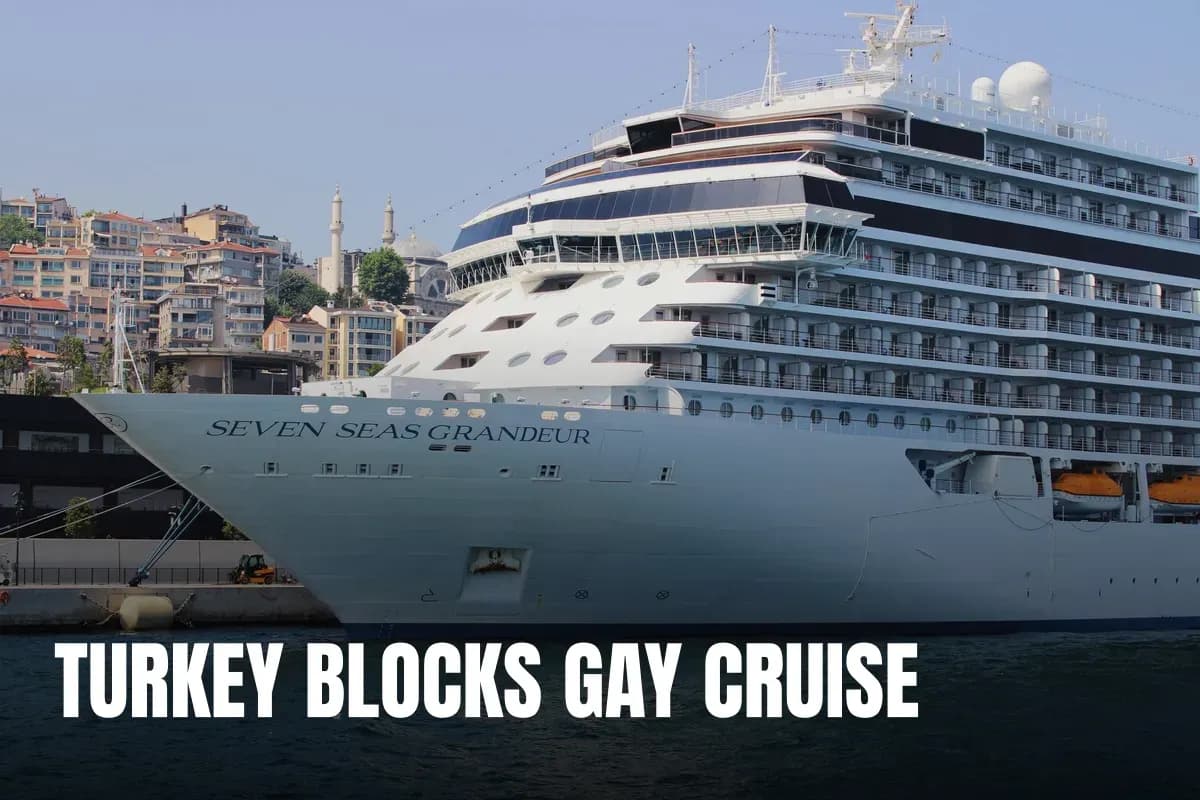
Turkish officials rejected permission for the Scarlet Lady to dock, stating the cruise is "known for behaviors incompatible with the fabric of our society and our moral values." The decision prompted swift reactions from prominent figures aboard and connected to the voyage.It's pretty stunning, to be honest. I mean, and the reasoning behind it is that it's a gay group. Rich Campbell, CEO of Atlantis EventsRich Campbell, president and CEO of Atlantis Events, told CNN the reasoning was transparent discrimination. "It's very concerning to me when a country decides they can pick and choose which tourists are allowed in and which are not," he said. Broadway legend Patti LuPone, scheduled to perform on the cruise, posted a statement on social media expressing fury at the exclusion. "A ship-a magnificent ship-full of well-heeled gay men. And me. Denied entry to Turkey simply because of who is on board," she wrote. She reaffirmed her commitment to the voyage, which will now dock in Cairo and the Greek island of Crete in place of Turkish ports.
The Knock-On Effect on Istanbul's Gay Scene
The ban extended beyond the cruise itself. Turkish authorities shut down Tek Yön, a gay nightclub in Istanbul that had operated legally for 18 years, after it posted a social media invitation welcoming Atlantis passengers. A pro-government news outlet amplified the matter by publishing allegations that the club was organizing an "audacious boat party"-a claim the venue promptly denied. Tek Yön issued a statement reaffirming its compliance with Turkish law and clarifying that it had simply invited cruise guests to visit as customers. Despite that response, authorities moved to close the club, claiming it had engaged in "practices and transactions that violate legal regulations," without specifying what those practices were.Turkey's Escalating War on LGBTQ+ Rights
The cruise ban is the latest manifestation of Turkey's hardening stance under President Tayyip Erdoğan, whose government has made LGBTQ+ repression a cornerstone of its social agenda. In 2023, Erdoğan explicitly named LGBTQ+ people among the "biggest threats against the family" and blamed homosexuality for Turkey's declining birthrate-rhetoric that conflates sexual orientation with demographic decline.Pride parades in Istanbul have been banned since 2015. Last weekend, activists attempting to hold small Pride marches were stopped by authorities, with at least 50 taken into custody.Pride parades in Istanbul have been prohibited since 2015, yet activists continue attempting to demonstrate. During Pride week last month, authorities detained at least 50 people, including a journalist, who had assembled for small marches. Turkey ranked 47 out of 49 European nations on ILGA-Europe's 18th annual Rainbow Map, which measures LGBTQ-friendly credentials-placing it near the bottom of the continent for legal protections and social acceptance.
Why It Matters
The Atlantis ban signals a worrying international dimension to Turkey's crackdown: the government is now using its ports and borders to enforce ideological exclusion of LGBTQ+ travelers. By framing the cruise as a moral threat rather than simply denying permits on business grounds, Turkish authorities have sent a message that being gay is incompatible with Turkish national identity-a framing that legitimizes both state discrimination and the closure of LGBTQ+ businesses. For Atlantis, a company that has operated for more than three decades precisely to serve LGBTQ+ travelers, the denial underscores the reality that no amount of wealth, organizational reputation, or diplomatic standing shields gay people from state-level hostility in countries where governments have made anti-LGBTQ+ ideology a pillar of national policy. The cruise will proceed and passengers will enjoy their voyage, but the message from Turkey is unmistakable: queer people are not welcome.Source: Queerty
Cover photo: irembeyzay / Pexels