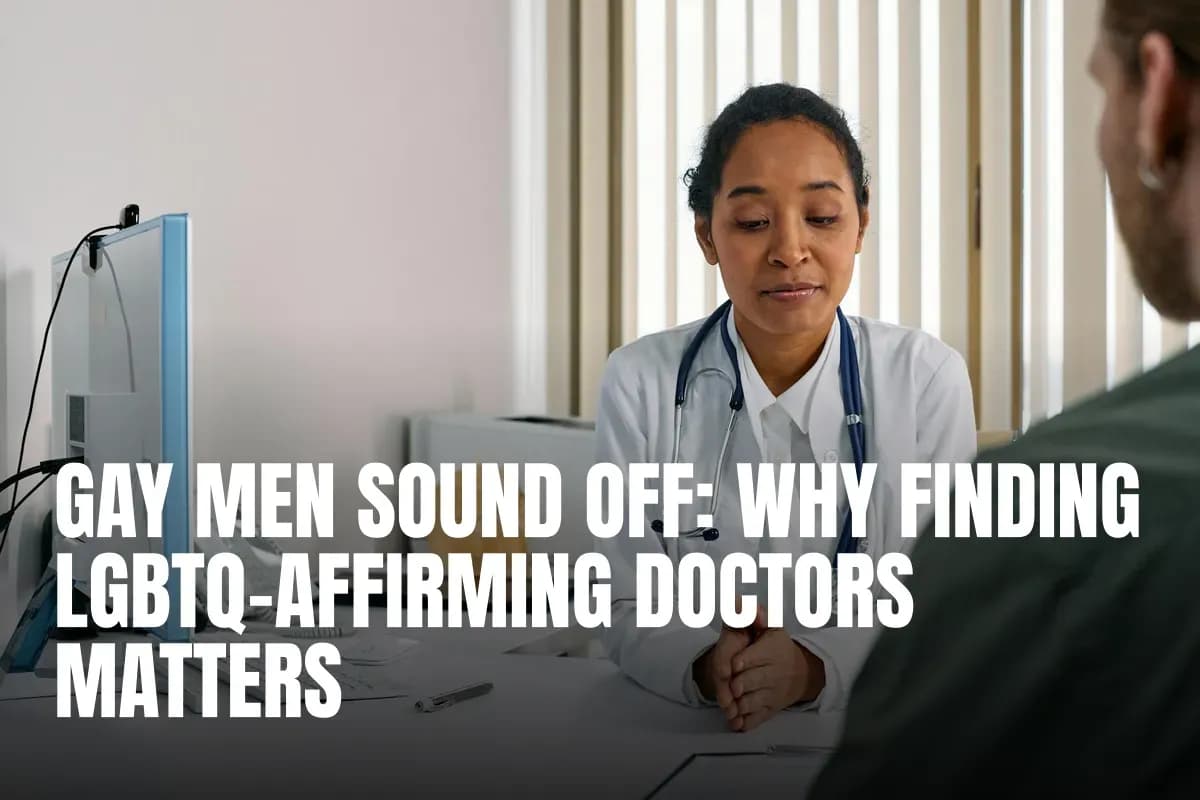
A viral tweet this week reignited a familiar frustration for many gay men: getting adequate healthcare from doctors who lack knowledge about LGBTQ-specific health concerns. The spark came when one user shared his experience visiting a straight male colon specialist who misidentified HPV as a hemorrhoid, only for an LGBTQ-specialized gastroenterologist to catch the error on a second opinion. His post quickly accumulated over 95,000 likes and sparked hundreds of responses from others sharing similar stories.
A pattern of misunderstanding
In the replies, gay men described repeated encounters with doctors unfamiliar with essential preventive care. Multiple users recounted having to explain what PrEP (pre-exposure prophylaxis) and DoxyPEP (doxycycline post-exposure prophylaxis) are to their physicians, with one noting that his doctor mistakenly thought he was taking Truvada to treat an existing HIV infection rather than to prevent it. The original poster acknowledged the stakes of speaking openly: "If my tweets can help anyone else avoid the incorrect diagnosis bullsh-t I went through, then it's worth it," he responded to those questioning whether the topic was too personal to discuss publicly.
The conversation expanded beyond gay men, with women and other patients describing feeling dismissed or deprioritized by straight male doctors who rely on the most obvious diagnosis without digging deeper. One medical professional responding to the thread suggested the original symptom might have been a skin tag rather than HPV, noting that misidentification does happen in the field, though the broader pattern of knowledge gaps remained the subject of debate.
Why access to informed care matters
The thread underscored a wider healthcare equity issue: LGBTQ patients benefit significantly from providers trained in their specific health landscape. Experts emphasize that people need to access care suited to their lives and experiences. The conversation also touched on the HPV vaccine, now offered to boys and men in many countries, including high-risk groups like gay men, alongside the importance of age-appropriate cancer screening for those who've been exposed to the virus. Finding a doctor who understands these nuances and takes them seriously can be the difference between early detection and missed diagnoses.
Source: Queerty
Cover photo: cottonbro studio / Pexels