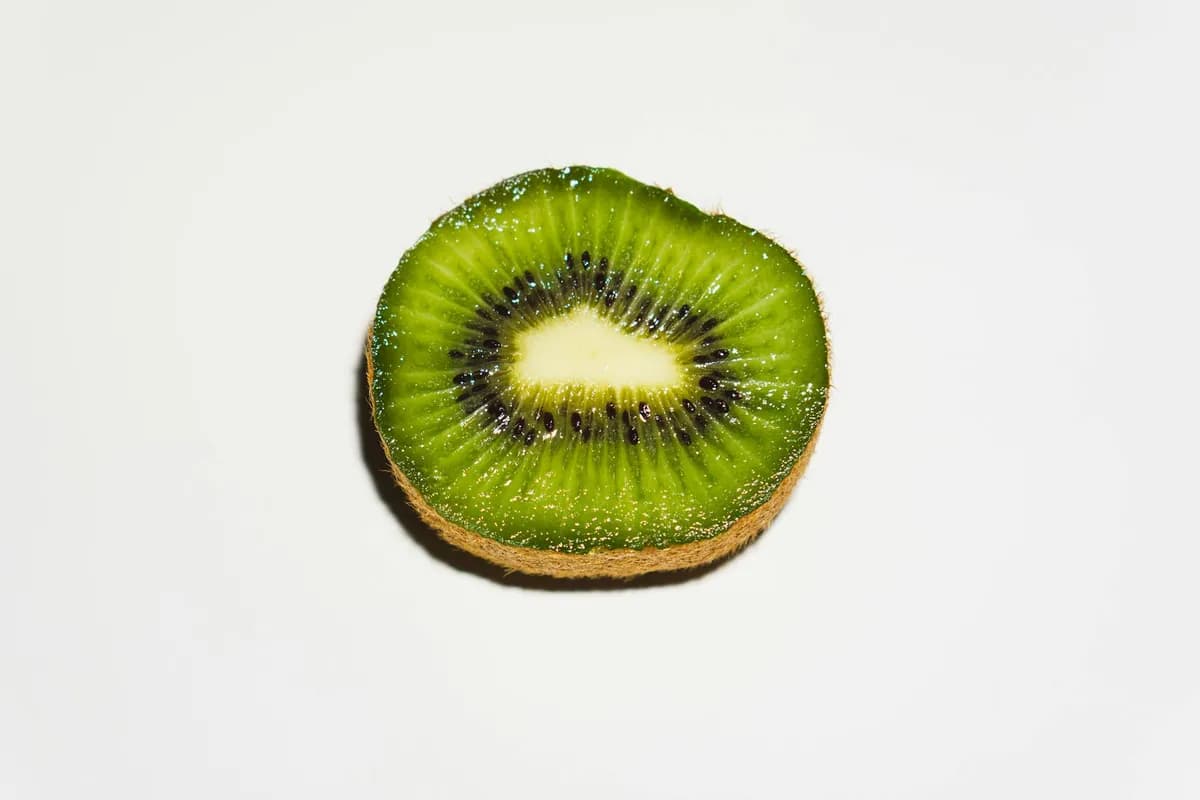
A viral tweet praising kiwi as a game-changer for bottoms has sparked renewed interest in the fruit's digestive and health benefits. Content creator Chase James's April post about eating two kiwis daily racked up 45,000 likes, prompting wider conversation about natural alternatives to fiber supplements for maintaining anal health.
Why Kiwi Is Getting Attention
Each kiwi packs roughly 3–4 grams of fiber—about 10 percent of the daily recommended value—and that's just the start. According to Alex Hall, who runs the Bottom's Digest advice account on Instagram, the fruit's real strength lies in its unique fiber makeup. "Kiwi has equal parts soluble and insoluble fiber," Hall explains. "Both work together to bulk stools and improve bowel regularity, making prep time a piece of cake." Beyond fiber, kiwis contain actinidin, a natural enzyme that aids digestion, plus vitamin C (more per gram than oranges), vitamin K, folate, and potassium.
Health Perks Beyond Prep
Research suggests kiwi may improve sleep quality, support heart health by reducing blood pressure and cholesterol, and strengthen immune function and skin. Even the skin itself is edible and boosts fiber content—just wash thoroughly first to remove pesticides and fuzz. Hall does offer one caveat: people with fructose sensitivity or IBS may want to test kiwis cautiously. Some users also report kiwi allergies or simply dislike the taste.
Other Fiber-Rich Options
If kiwi isn't for you, plenty of alternatives deliver similar roughage. Avocado, apricots, raspberries, dried figs, and fresh mango all rank high in dietary fiber. The broader takeaway: natural fiber-rich foods can be just as effective—and often cheaper—than specialized supplements for supporting digestive health and prep routines.
Source: Queerty
Cover photo: Martin Schneider / Pexels