Nonreligious Americans have become the single largest spiritual group in the United States, yet they remain largely invisible in political coverage and public discourse. While polling organizations carefully segment Christian believers into eleven distinct categories, they lump all religiously unaffiliated Americans into one catch-all group—obscuring a diverse population with vastly different beliefs and practices.
The data problem
Organizations like the Public Religion Research Institute (PRRI) and Pew Research Center distinguish between atheists (who reject belief in God), agnostics (who say it's unknowable), and the "nones" (who simply don't identify with organized religion). Yet even these distinctions hide crucial variation: some atheists pray, some agnostics attend church, and some unaffiliated people support religious charities. Many nonreligious Americans hold spiritual beliefs outside mainstream monotheism or believe in a higher power without claiming a religious label. That complexity vanishes from most published data.
Why media coverage falls short
Political journalists routinely highlight how evangelical Christians vote—roughly 81 percent supported Donald Trump in 2020 and 2024. Far fewer stories mention that over 70 percent of secular voters backed Kamala Harris in 2024, despite nonreligious Americans now representing a larger bloc. PRRI CEO Melissa Deckman explained that researchers focus on religious identity because "we care about the religious story in America," examining how faith shapes views on LGBTQ rights, reproductive freedom, and Christian nationalism. The unexamined assumption: if it's not about religion, it's not worth detailed analysis.
The political stakes
This blind spot distorts public understanding of religious influence in American life. When secular voters—a demographic with notably strong support for LGBTQ equality and abortion access—remain invisible as a voting bloc, their political weight goes unrecognized. Advocates like Nick Fish, president of American Atheists and an out gay man, and Annie Laurie Gaylor of the Freedom from Religion Foundation have long pushed for better data and coverage. Until media and researchers treat nonreligious Americans with the same granularity they apply to religious groups, their actual beliefs, practices, and political priorities will remain largely unknown to the general public.
Source: LGBTQ Nation
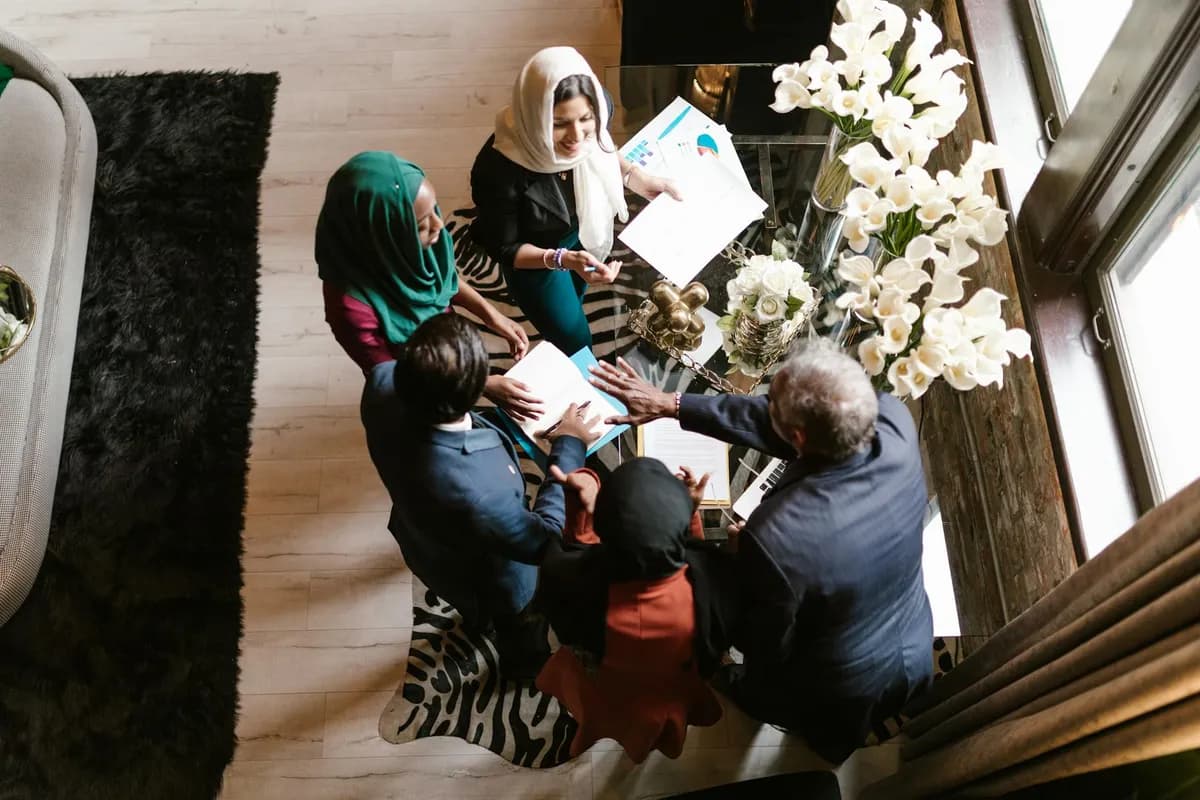
Cover photo: RDNE Stock project / Pexels